Check out the full programme of presentations for InnoLAE 2025

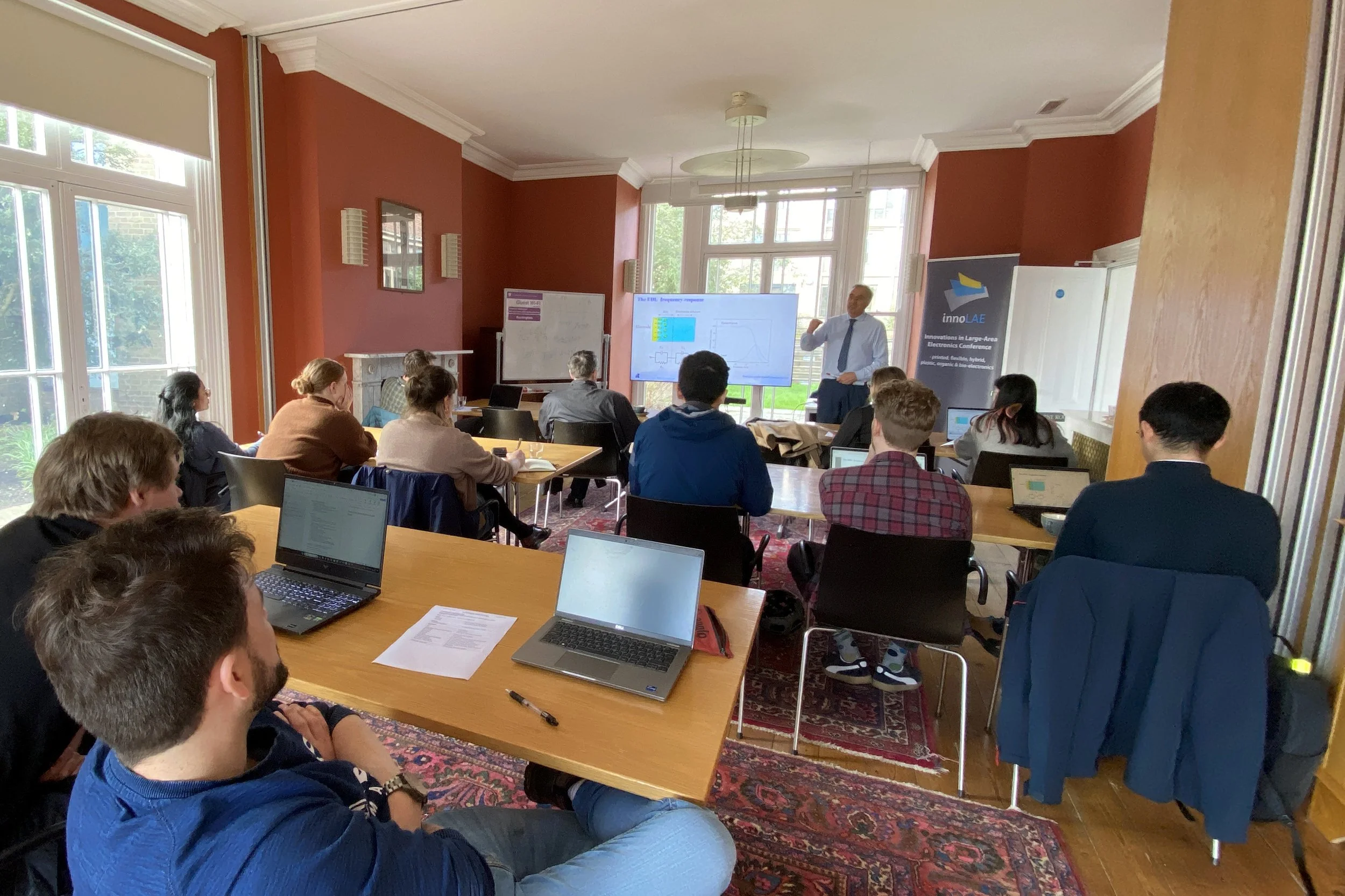
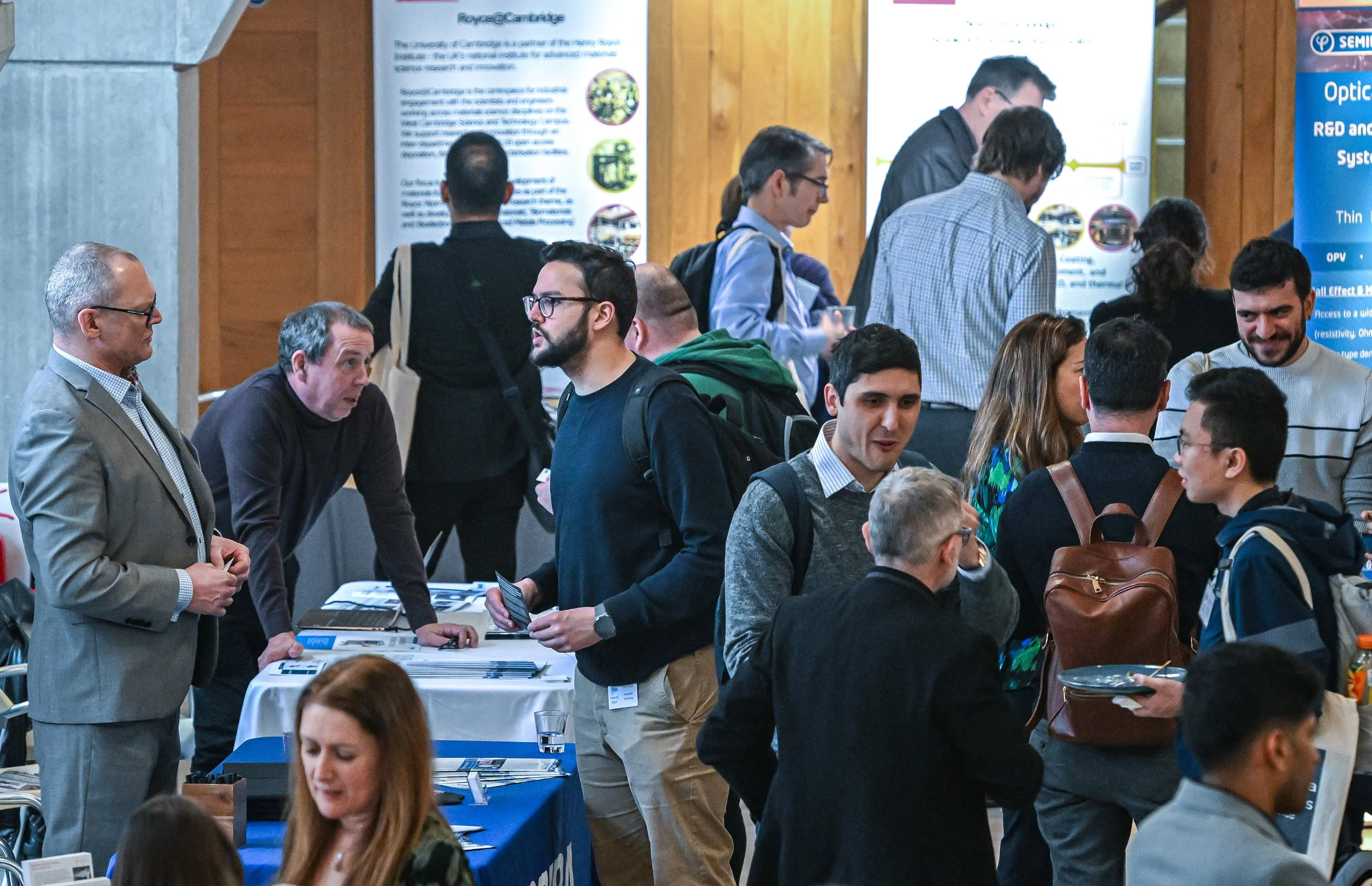
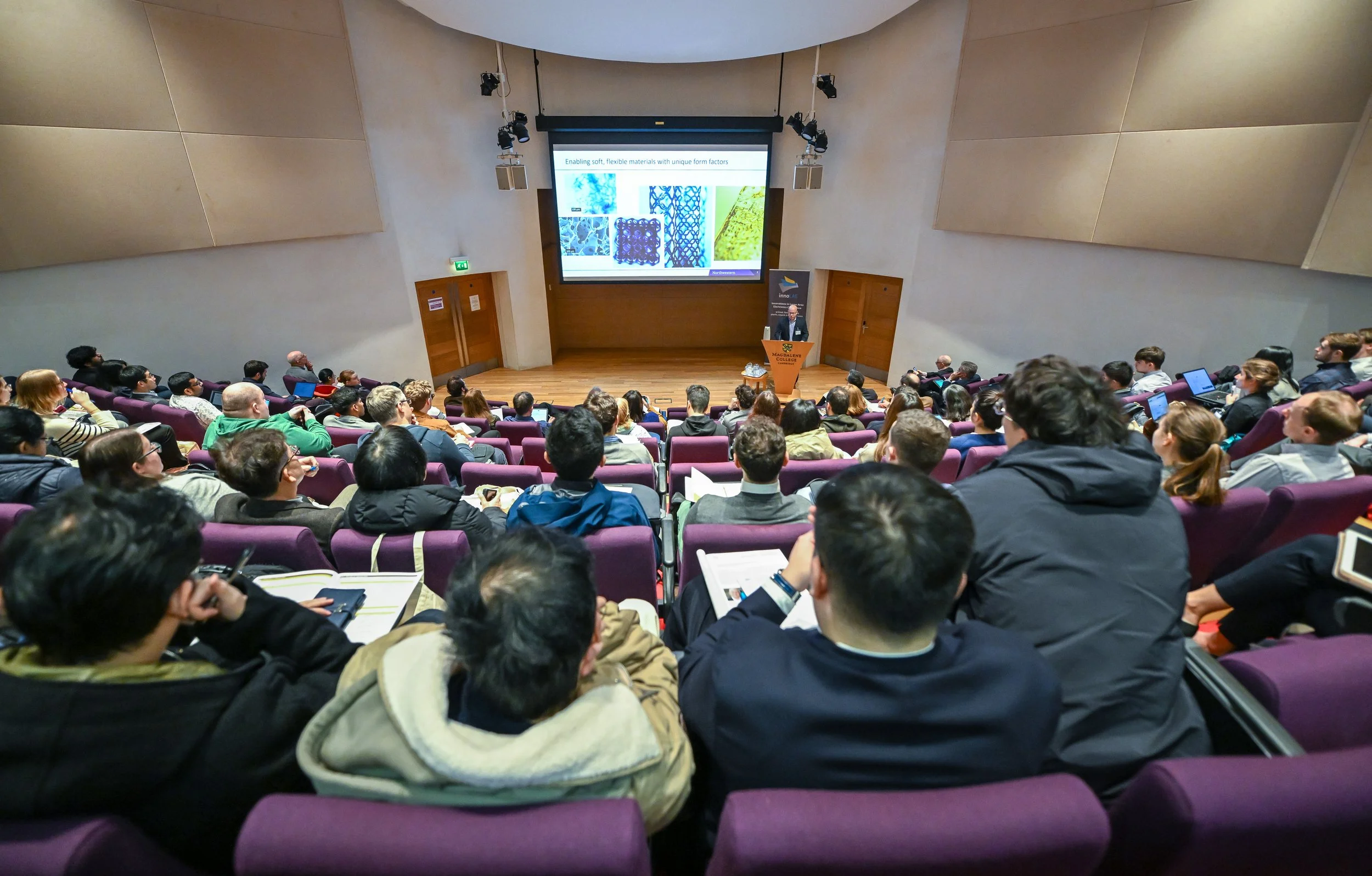
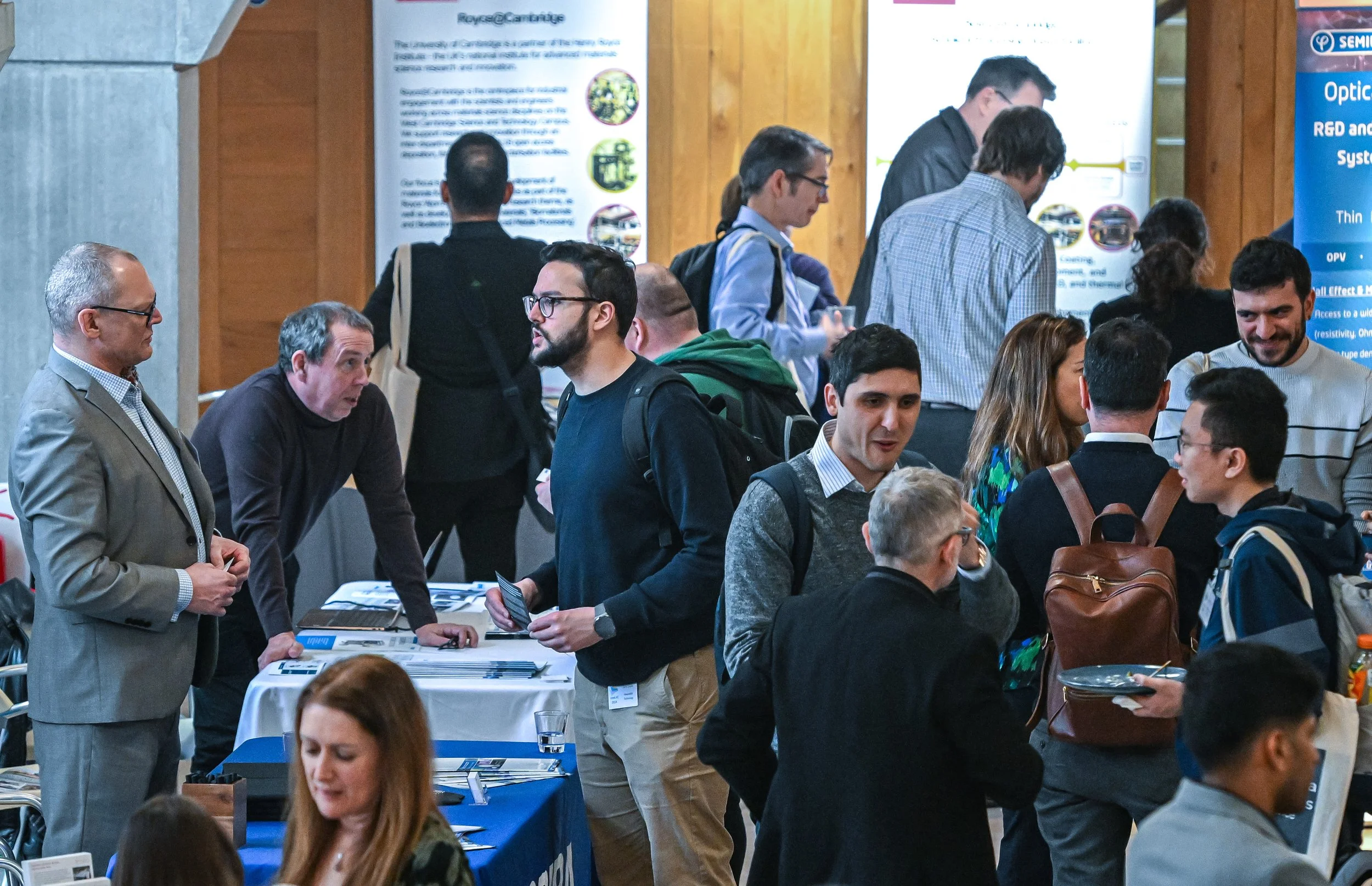
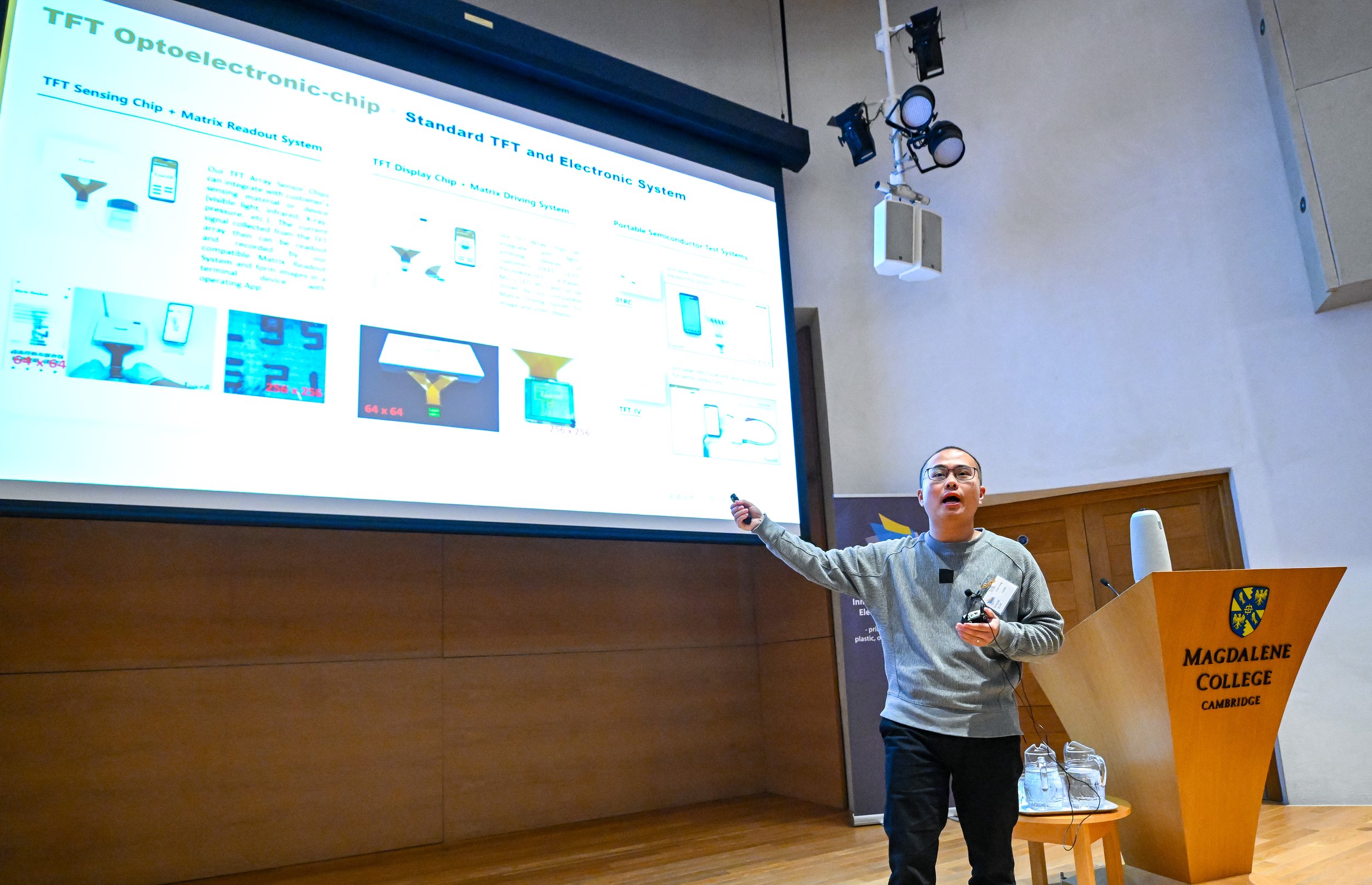
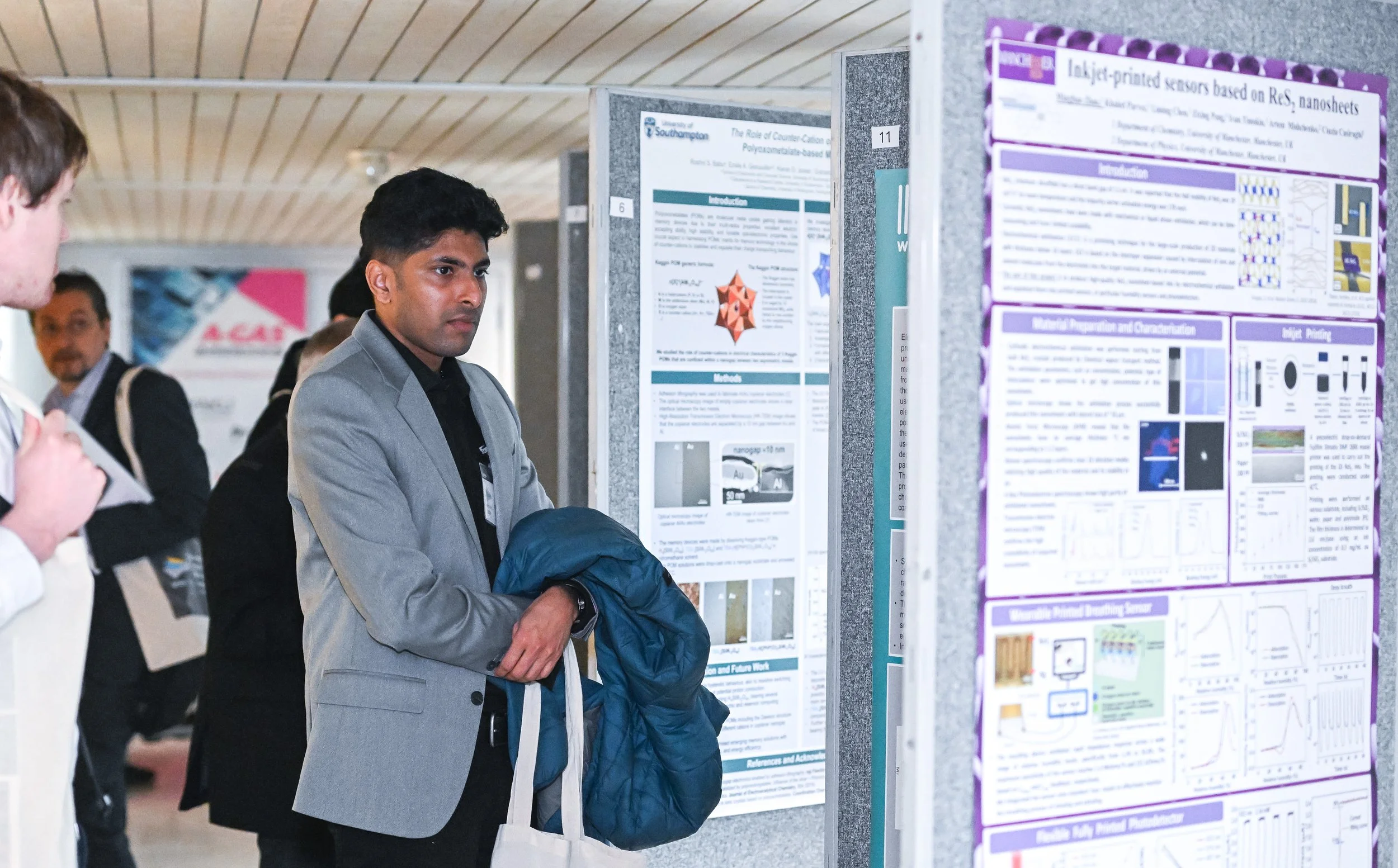
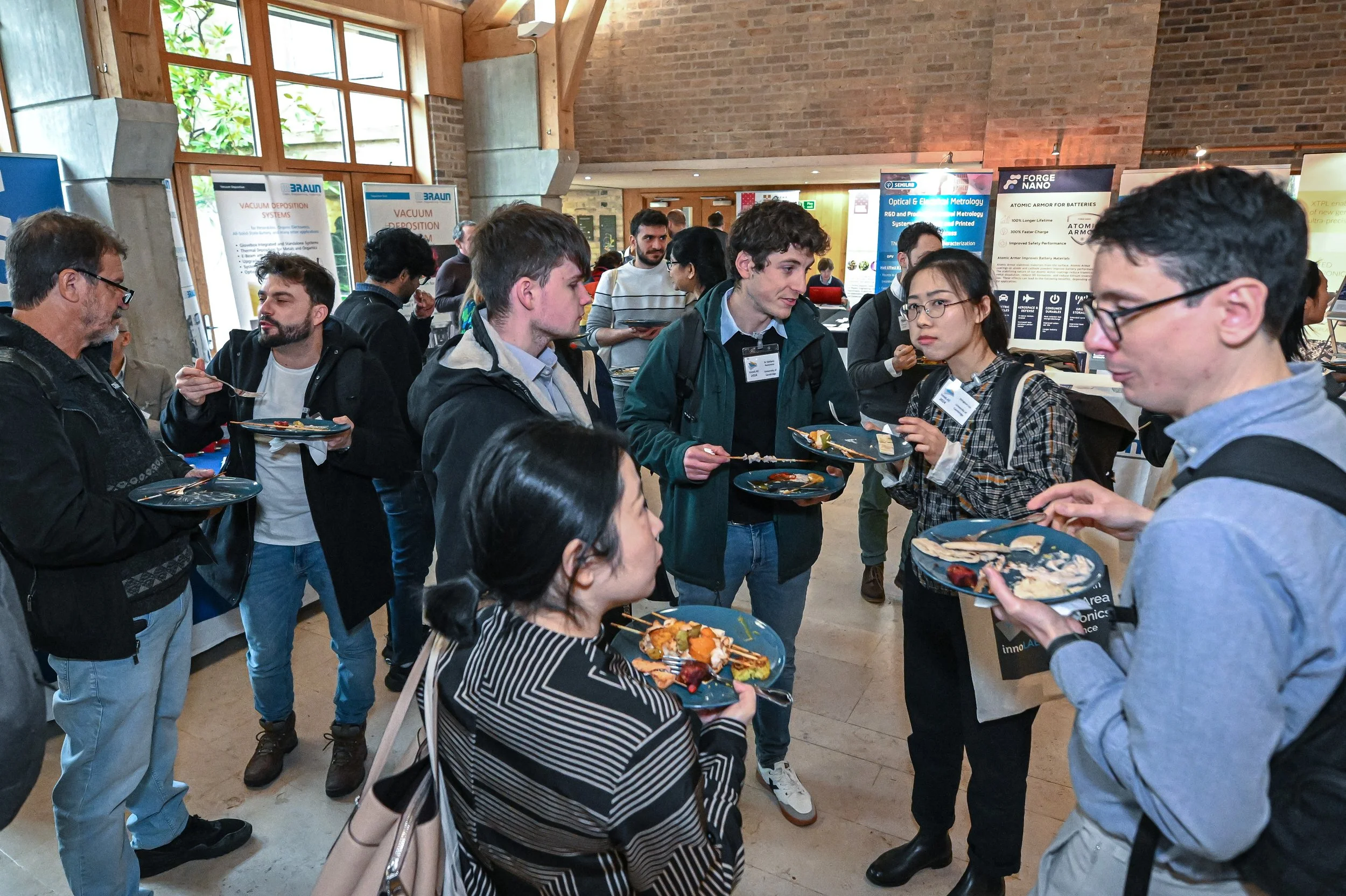
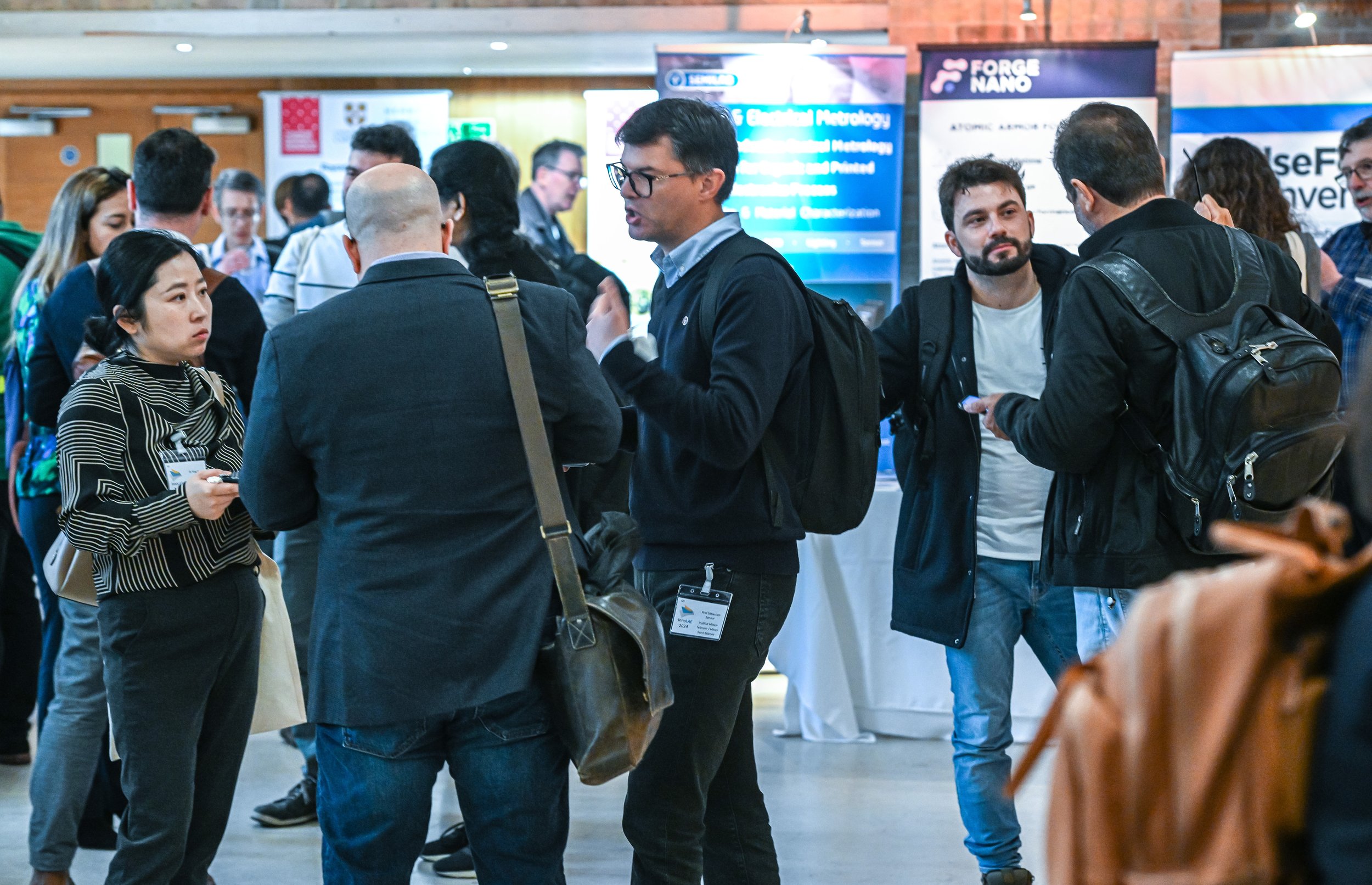
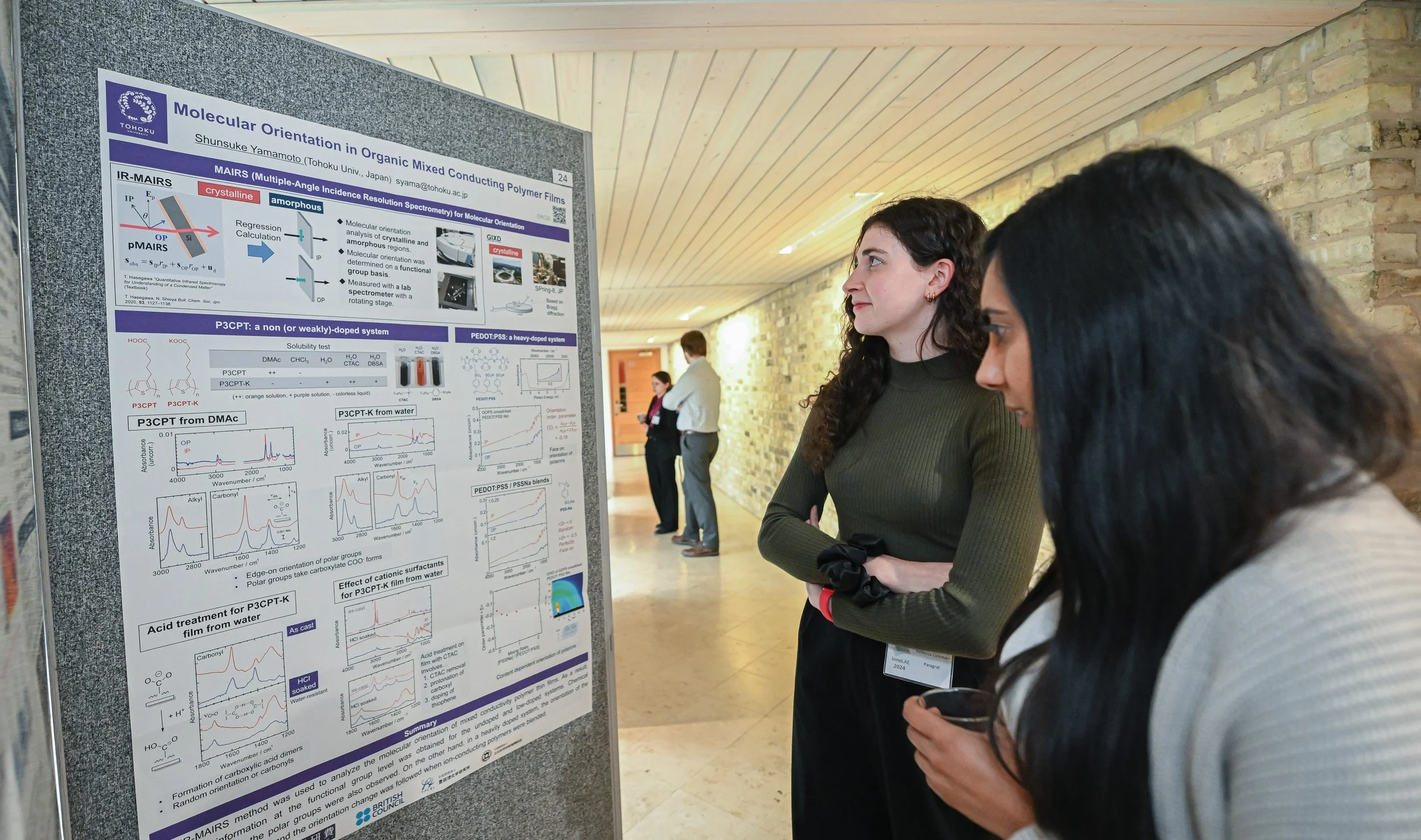
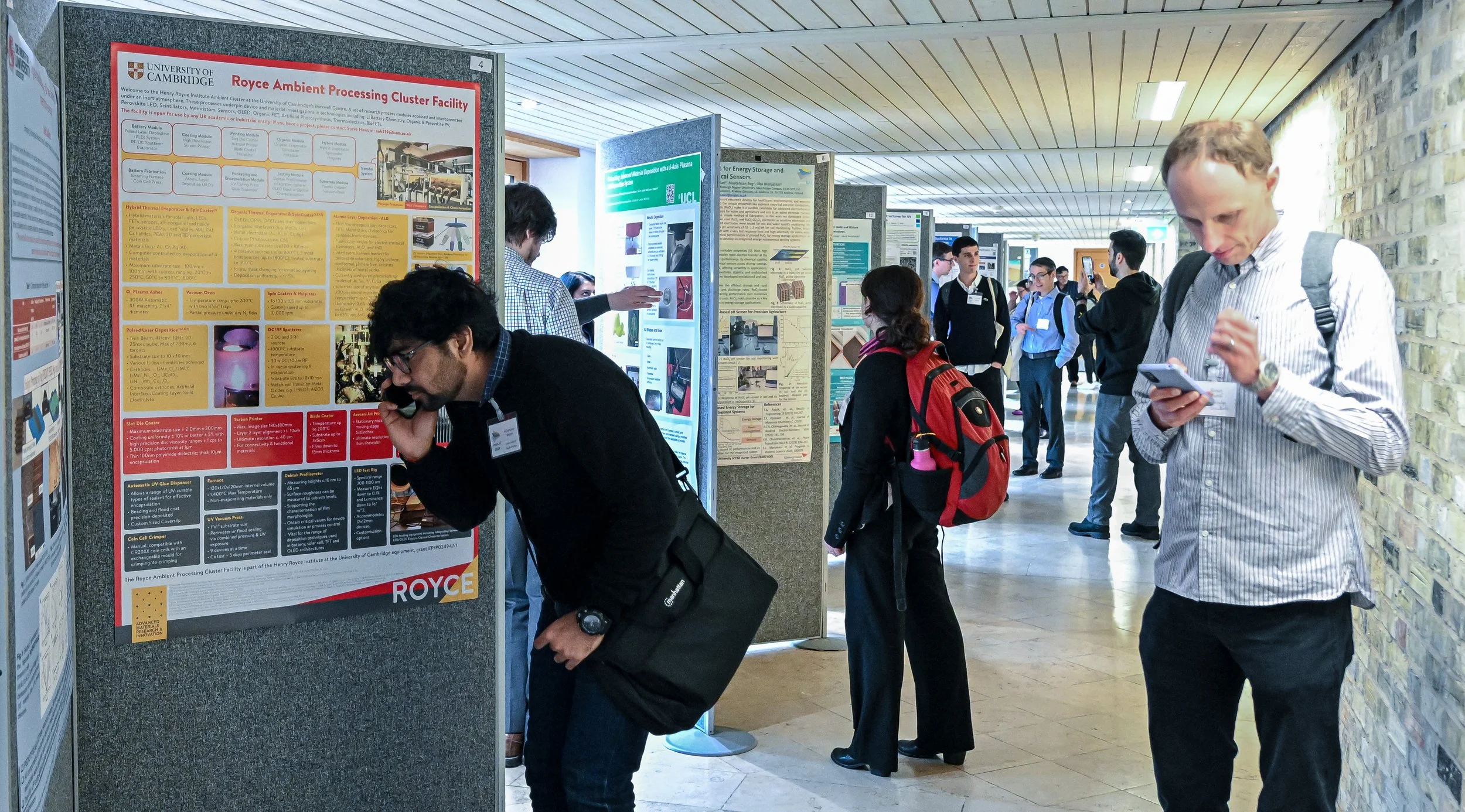
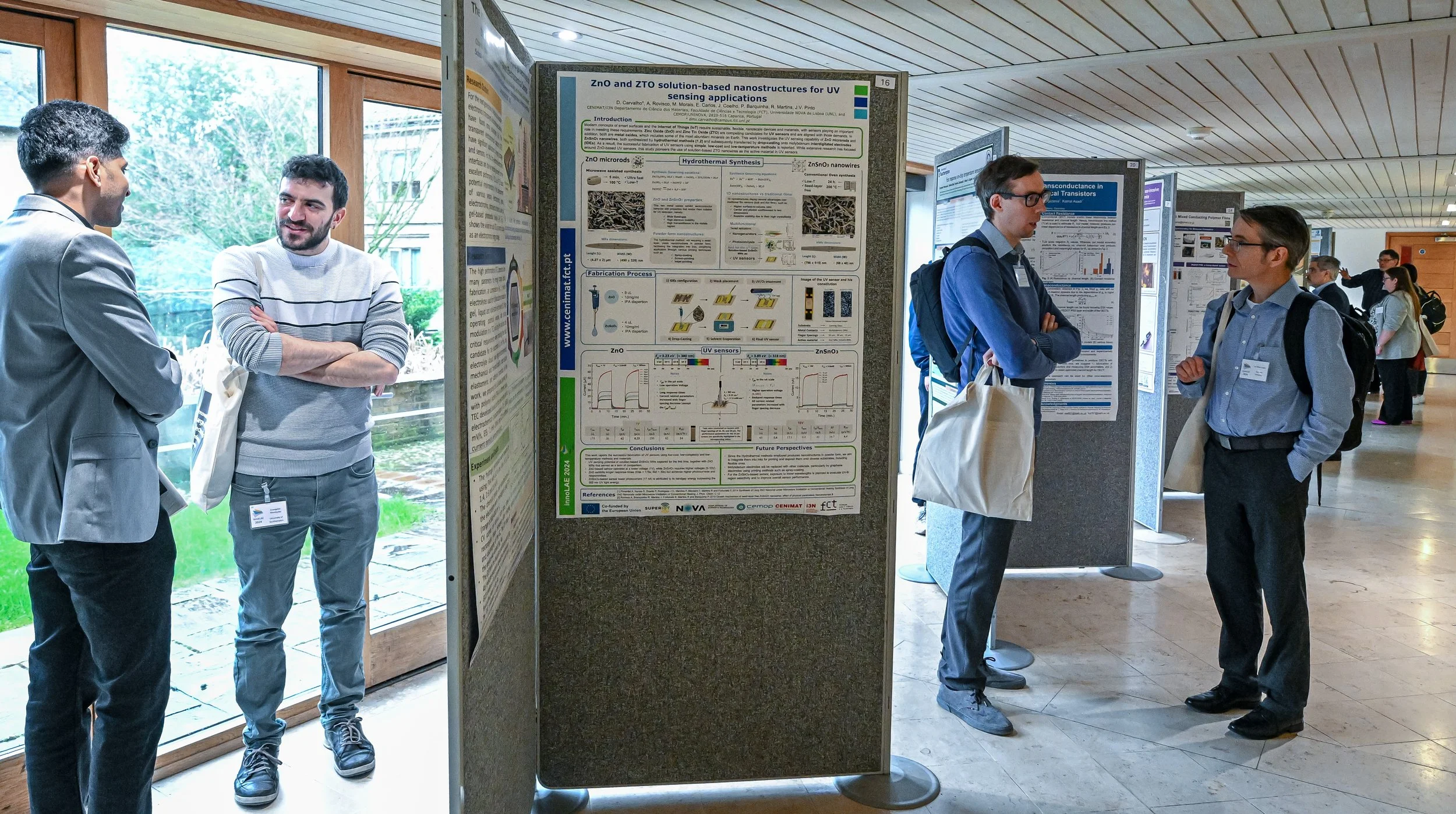
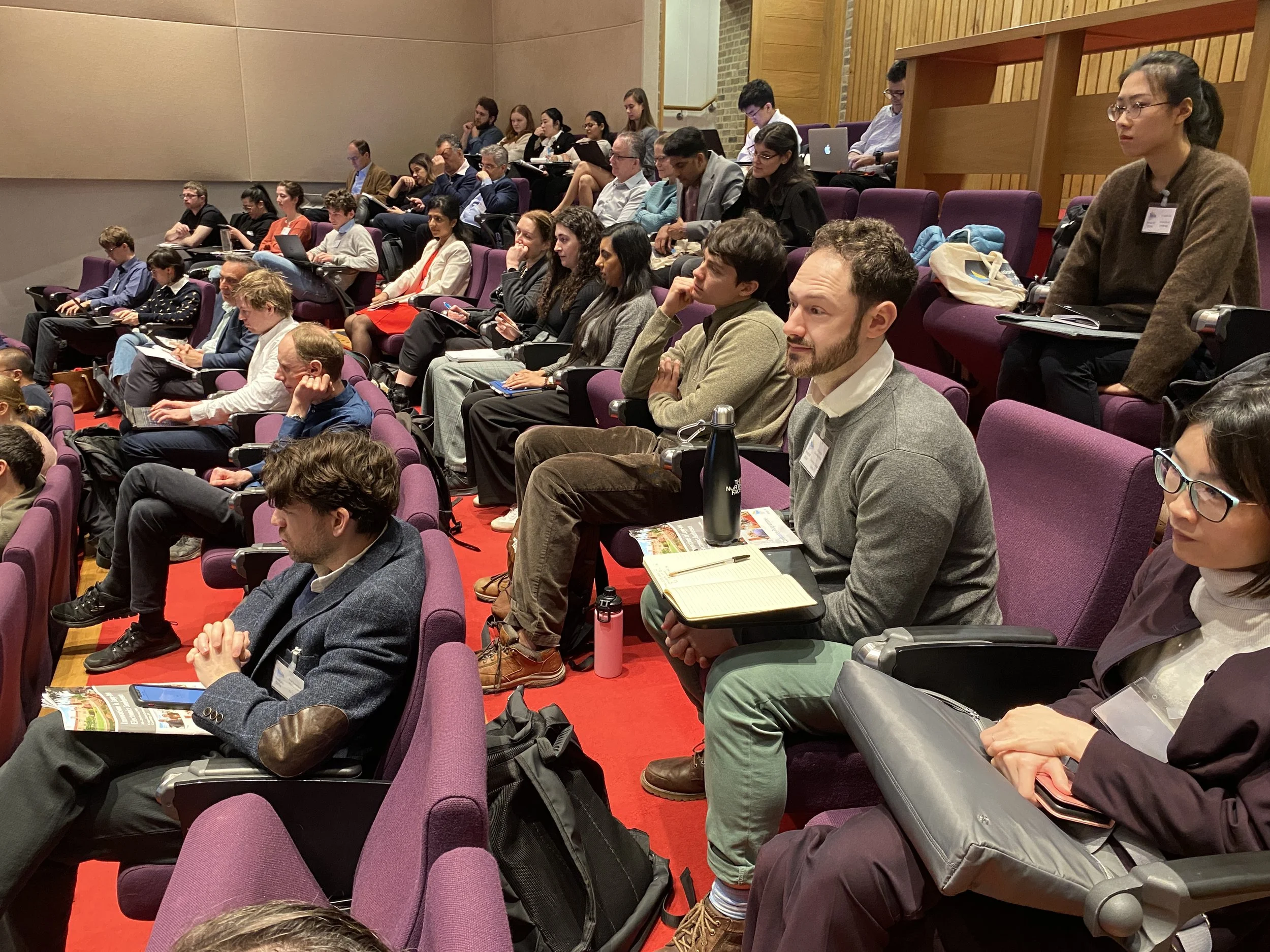
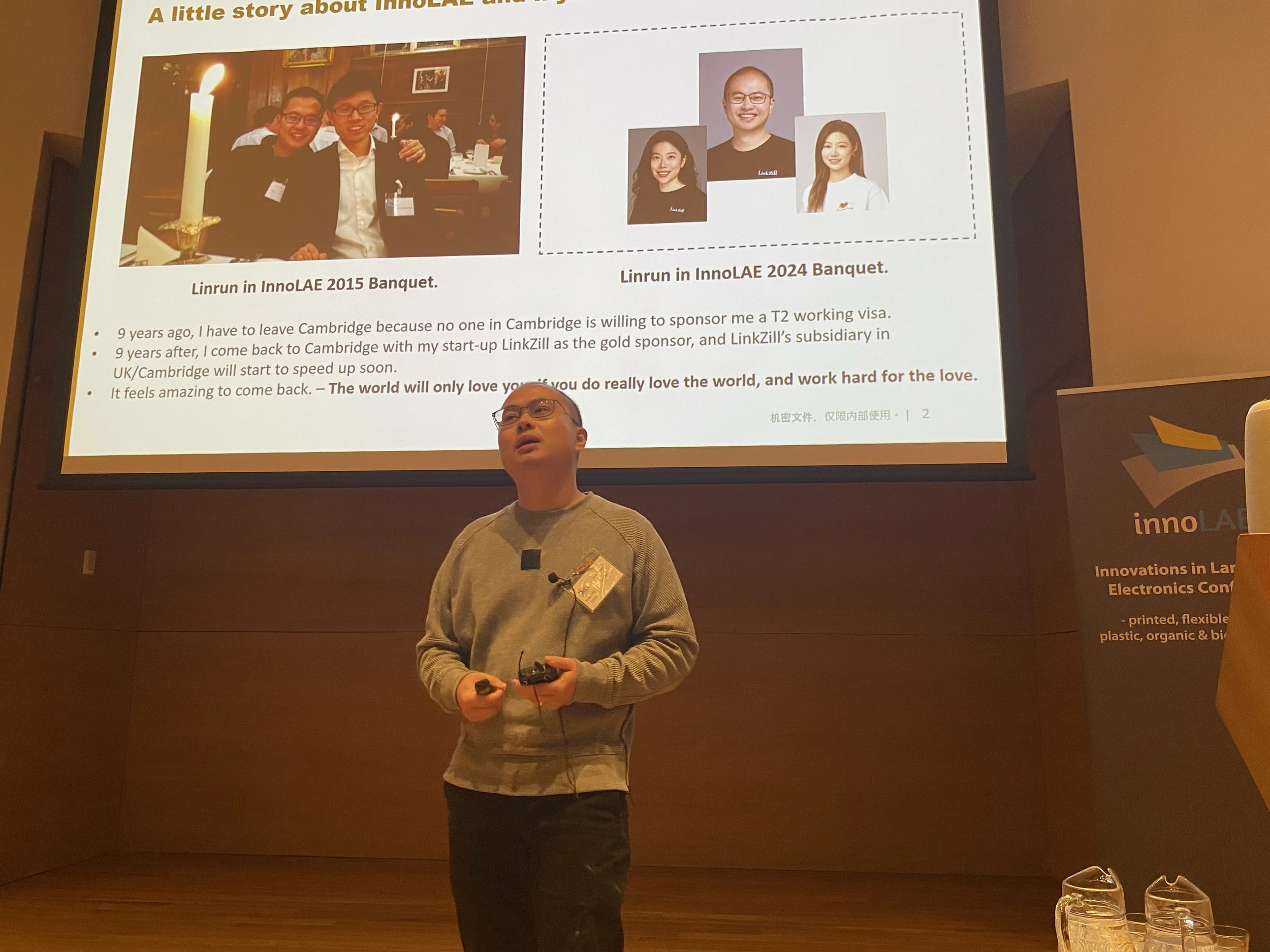
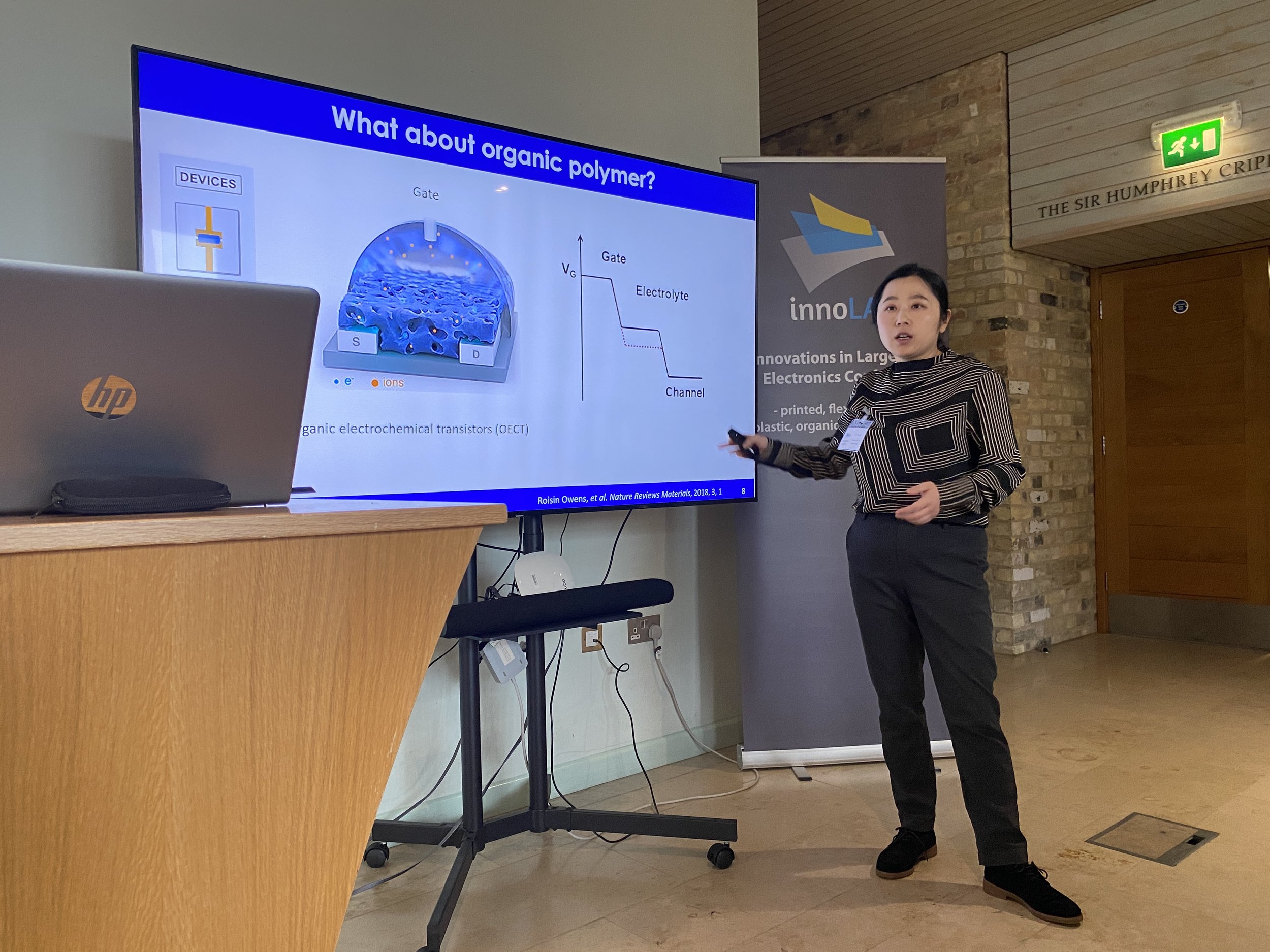
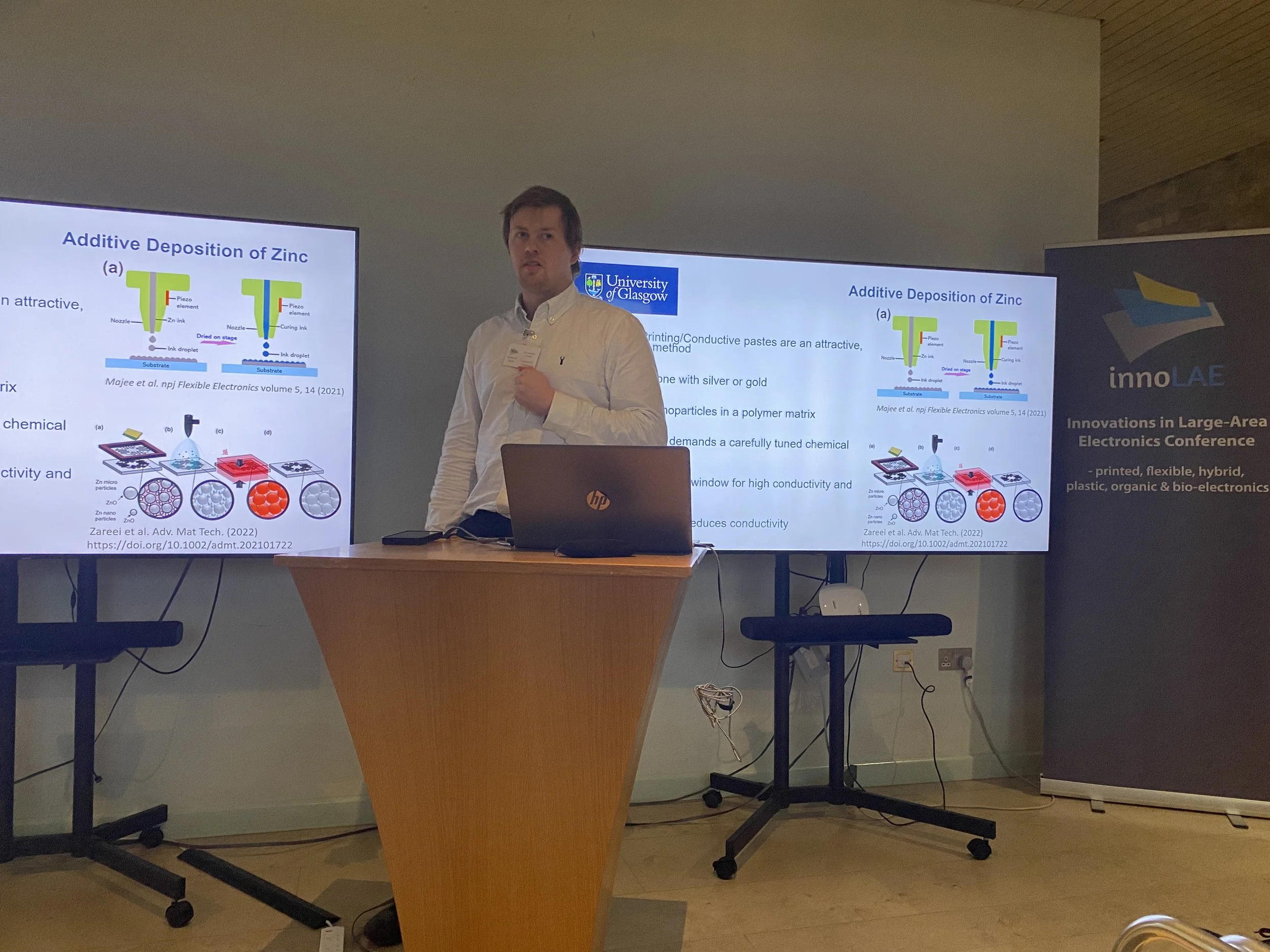
A gallery of photographs from InnoLAE 2024, including speakers - professional photos to be added soon!

Are you having trouble validating photoelectric detection studies (e.g., perovskite X-rays, visible light, near-infrared, and ultraviolet) or with real-time luminescent device displays?
LinkZill collects the needs of our consumers in driving, reading, and testing TFT (thin-film transistor). Building upon these requirements, we've introduced a series of standard systems known for their cost-effectiveness, precision, portability, applicability, real-time display capabilities, fast data storage, and data sharing functionalities, offering a comprehensive service from TFT chip to supporting electronic systems and processing technology.

TruEbox MR64
Designed for collecting sensor arrays and imaging current signals, LinkZill's TruEbox 03MR (64×64) supports arrays up to 64×64 resolution. All current data is transmitted to Android terminal devices via Wi-Fi, producing a 256 grey-level image based on current strength. This matrix readout system is ideal for light or pressure imaging using thin-film transistor (TFT) array chips.

TruEbox MD256
Our latest High-Resolution TFT Array Chips and Compatible Matrix Driver Systems, TruEbox 04MD (256×256), enhance luminescent material display performance. With support for a maximum array resolution of 256×256 and a frame rate of 30-60Hz, animations are displayed with improved clarity.
Additionally, our portable testing systems offer real-time measurement of capacitance, resistance, and current, with fast response speed, high resolution, and data-sharing capabilities, suitable for various scenarios.

TruEbox 01RC
TruEbox 01RC delivers real-time, accurate resistance/capacitance data, enabling applications in sensor characterization, portable electronic product development, sports health monitoring, biomedical testing, and more.

TruEbox 02CM
Providing multichannel bias voltages (seven) and measuring multichannel currents (eight) in real-time, TruEbox 02CM meets the needs of I-V characteristic scanning and dynamic current monitoring for various components, facilitating biomedical testing, portable electronic product development, sports health monitoring, and other scenarios.

TruEbox TFT-IV
TruEbox TFT-IV is a portable electrical test and analysis system for semiconductors, offering three bias voltage channels and one current channel, with IdVg and IdVd modes. Monitoring real-time I-t or I-V curves, it shares measured data via a mobile app, aiding in biomedical testing, portable electronic product development, sports health monitoring, and various other scenarios.
Up to now, the TruEbox series has assisted over three hundred customers worldwide, facilitating the publication of more than 200 high-impact papers in journals such as Nature Biomedical Engineering, Nature Communications, and Advanced Materials.
TFT Customized Design and Supply
LinkZill values the various needs of our customers and customizes the design of our TFT chips accordingly. TFT chip designs from different customers will be pieced together and integrated for overall tape-out and manufacturing.
Our TFT device types include a-Si, IGZO, LTPS, Organic TFT, LTPO, among others. We offer customization options for substrate materials (glass or plastic) and sizes (up to G6.5 line) to perfectly align with our client's specific requirements.

LinkZill was founded in January 2019, headquartered in Hangzhou, Zhejiang Province, with R&D and marketing center in Cambridge, UK. In 2023, LinkZill established Hangzhou TFT Bio-semiconductor R&D Center. LinkZill aims to make technology serve people better and more efficiently with the vision of “Linking zillions of people and technology. Linking zillions of hearts with love”.
Furthermore, LinkZill's TFT semiconductor biochip platform has been successfully applied in high-throughput DNA synthesis, precise droplet manipulation, in vitro diagnostics (IVD), and biological signal sensing.
Dedicated to expanding our global presence, LinkZill actively seeks partnerships to collaboratively build a community. For more information on our products, contact us at info@linkzill.com and visit our website https://www.linkzill.com/.

Quantum computing has recently transitioned from a series of theoretical concepts to real-world, practical applications. In 2022 alone, investment in quantum computing totalled $2.35 billion, demonstrating the market’s confidence in its future.
The quantum environment is expanding and transforming, and Paragraf’s graphene Hall sensors (GHS) are uniquely placed to play a pivotal role in its development.
What is quantum computing?
The fundamental distinction between classical and quantum computing lies in the basic unit of information. The classical bit is a binary unit whose state is expressed as either ‘0’ or ‘1’. Quantum computers rely instead on the qubit, an abstraction that mimics the behaviour of atomic particles. A qubit occupies a ‘superposition’, which is a continuous state between ‘0’ and ‘1’. By manipulating the state of a qubit, a quantum computer can account for the full range of probabilities contained within its superstate. Qubits, like electrons in atoms, interact with one another through a process called ‘entanglement’ where one qubit mirrors its counterpart, expanding the amount of information available from their manipulation.
The nuances of qubit behaviour empower quantum computers to take on extremely complex problems beyond the reach of their classical counterparts. As such, quantum computing allows for applications that require especially complex tasks, such as cryptography, modelling chemical reactions and enhancing machine learning/AI. When applied to these tasks, quantum stands to have substantial impact on financial services, pharmaceutical development, supply chain management and manufacturing.

Within that broad definition of the quantum process, there are multiple approaches to quantum computing. Each of these technologies is being developed by prominent tech giants and they have all demonstrated strengths in particular applications.
How is Paragraf enabling these technologies?
Qubits are highly susceptible to magnetic fields. As such, magnets are employed in the operation of quantum computer and external magnetic fields pose a threat to their operation. Quantum hardware systems often require cryogenic temperatures in order to reduce environmental effects. Paragraf’s cryogenic GHS are uniquely able to perform at extreme low temperatures while maintaining linearity across a wide range of field strengths, making them applicable to each of these tasks.
Low-Field Quantum Applications
Qubits are incredibly small and vulnerable to a variety of external forces. As such, the mechanisms necessary for the quantum computer to function are very fragile. Outside influences, such as external fields, can disrupt the function of qubits within a quantum system.
Magnetic fields work by exerting force on charged particles, meaning that qubits encountering those fields are susceptible to influence that would distort their quantum states; and magnetic fields are nearly ubiquitous. Any electrical current moving through a wire will produce a magnetic field and the instruments that operate a quantum computing system require extensive wiring. Other electric components and moving parts in the vicinity of a quantum computer produce magnetic fields, as well. Even the Earth’s own magnetic field is strong enough to potentially disrupt the computer’s output.

Controlling the magnetic environment in a quantum computer requires employing shielding tactics that neutralize the impact of outside fields, either through physical barriers made of Mu metal, superconducting materials that redirect these fields or the use of additional magnets that are tuned to cancel out the external fields. Paragraf’s cryogenic GHS, owing to their high sensitivity, can detect magnetic fields down to 10s of µT in strength, allowing the shielding mechanisms to be accurately calibrated.
Heat also has the potential to disrupt the operation of quantum computers. By exciting the qubits within a system through the introduction of thermal energy, higher temperatures present the threat of ‘decoherence’, where qubits’ entanglement with one another is disrupted. Protecting against decoherence requires quantum computers to function at extremely low temperatures, down to around 10 mK.
This means that the Hall sensors employed to detect external fields must also prove resilient to extremely low temperatures. Graphene’s two-dimensional structure, when married to Paragraf’s contamination-free deposition process, presents a highly robust sensing surface at extreme temperatures, down to mK levels. Further, the low power requirements of our sensor reduce the threat of thermal and magnetic interference produced by its associated circuitry.
High-Field Quantum Applications:
The operation of manipulating qubits within the specific quantum systems discussed below entails the use of large magnetic fields.
Superconductors
Superconducting quantum computers are unique among quantum architectures in that their physical qubits – often referred to as ‘artificial atoms’ – are macroscopic, so they are larger and more robust than the qubits used in competing approaches. These designs employ low temperatures and Josephson junctions, which are tunnelling devices that allow electrons to flow across a barrier with no voltage applied. They further engage external magnetic fields to control the energy levels of superconducting qubits and to enable initialization, gate operations, and readout. These magnetic fields can be precisely controlled to perform quantum gates and quantum algorithms.
Quantum Dots
Quantum dot qubits, unlike their superconductor counterparts, are nanoscale particles comprising a small, countable number of silicon electrons. In computing functions, these particles act as tunnels that render quantum information when voltage levels in the source-drain window that encapsulates the quantum dots are varied. The addition of quantum dots in the tunnelling function provides a degree of scalability that produces more-complex computations. The application of magnetic fields is key to this control of the voltage in the system.
Cold Atoms
Cold atom qubits comprise isolated atoms which are ‘tweezered’ by lasers to manipulate their superposition. Even more than other quantum applications, cold atom operations entail extremely low temperatures (<1 mK). While magnets are not the primary tool for performing quantum operations here, they are often used in the process of isolating and cooling the atoms to set up those operations.
The manipulation of quantum qubits – even those as relatively large as superconductor qubits – requires exceptionally precise application of magnetic fields. That precision entails accurate calibration of those magnetic tools. Paragraf’s GHS technology is particularly capable of providing such a degree of accuracy in the unique environment of quantum computers.
Once most magnetic sensors encounter fields above a particular threshold, the corresponding readings increase in plateaus and sharp inclines rather than in a continuous, proportional trendline. This is referred to as the Quantum Hall effect (QHE) and it makes these conventional devices unusable in cryogenic applications where the strength of the field varies.
Paragraf’s graphene deposition enables us to modify the sensitivity of our sensors. Through experimenting with the GHS-C, we have found we can delay the onset of QHE so that we are producing sensors that maintain their linearity up to ~30T, as demonstrated at the High Field Magnet Laboratory in Nijmegen, Netherlands.
Additional Applications for Paragraf's Cryogenic Sensors:
Paragraf GHS's cryogenic applications are not confined to quantum computing. Superconducting magnets, essential for MRI, particle accelerators, fusion energy research, maglev trains, and NMR spectroscopy involve low temperatures and a wide range of magnetic field strengths. These next-generation technologies require precisely the solutions our sensors provide. Moreover, the demands of space exploration, characterized by extremely low temperatures, highlight the suitability of Paragraf's cryogenic sensors for aerospace applications.
As quantum computing evolves and permeates various industries, Paragraf's cryogenic GHS will emerge as a critical enabler, ensuring the stability, precision, and efficiency of quantum operations. From shielding quantum computers to advancing research applications in space and other fields, Paragraf's innovative sensor technology plays a pivotal role in shaping the future of quantum computing and beyond.
Email: enquiries@paragraf.com
Tel: 01223 739782
Come and hear more from Paragraf at innoLAE 2024!